

Kochi is without a doubt one of Japan’s hidden gourmet destinations.
In this article, I’ll share the story of Kochi’s food culture from the perspective of someone born and raised here.
A Land Blessed by Mountains, Rivers, and Sea
Kochi’s cuisine reflects the richness of its natural surroundings — the ocean, mountains, and rivers that shape daily life. Locals live closely with the seasons, and each time of year brings new flavors to the table, from fresh seafood to wild mountain vegetables.
Childhood Memories of Seasonal Treats
Growing up in Kochi, snacks were never far away. On the way home from school, we picked yamamomo (wild bayberries) or gathered itadori (Japanese knotweed) from the roadside. Sometimes we headed to the beach to collect nagareko (shellfish), our seaside “treats.” Even today, these seasonal treasures appear at Kochi’s Sunday Market or Hirome Market, where locals eagerly await their return each year.
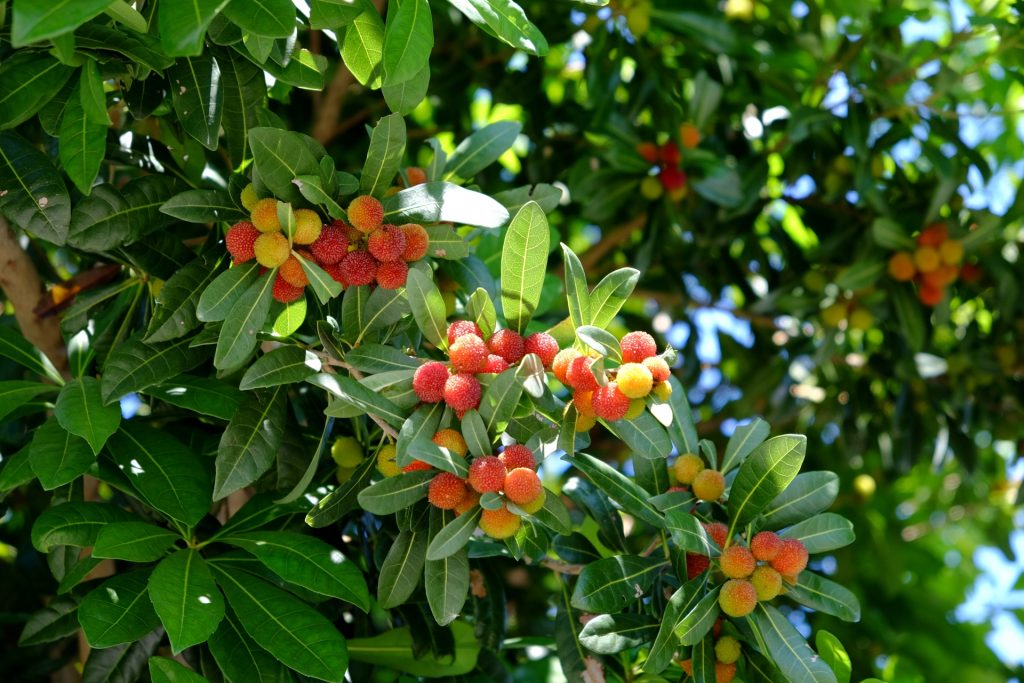
Yamamomo (Japanese bayberry) is a small red fruit with a sweet-sour flavor, native to warm regions of Japan. It grows on evergreen trees and is especially familiar in Kochi, where it has long been a beloved local plant.
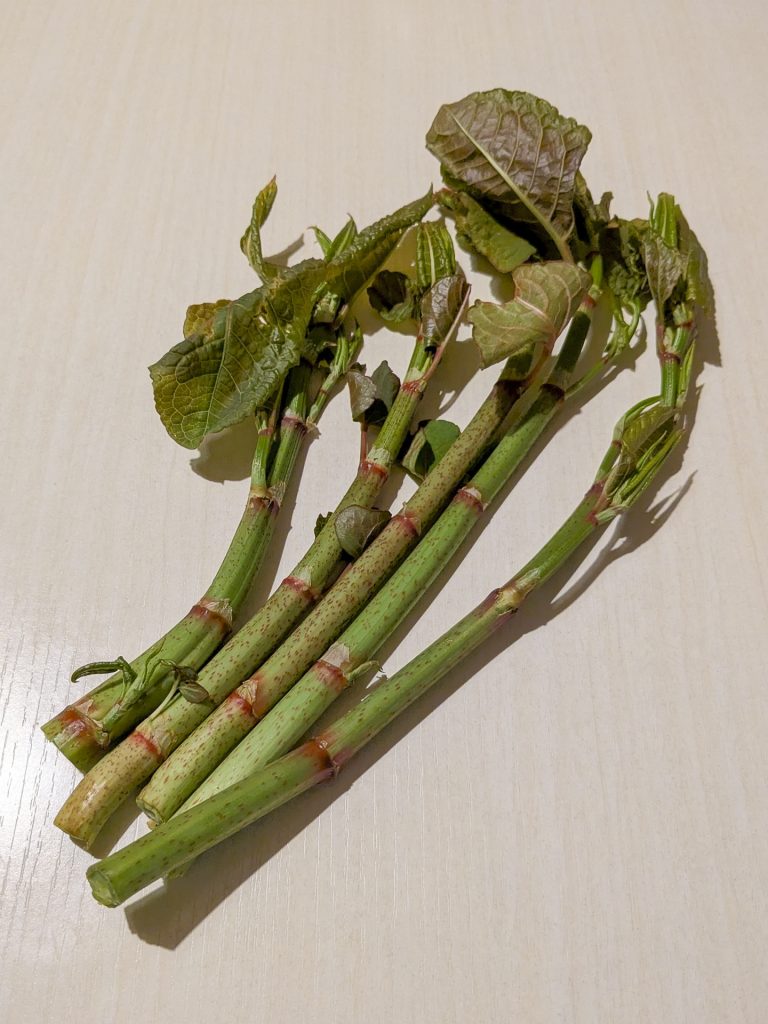
Itadori, or Japanese knotweed, is a familiar spring vegetable in Kochi. Locals enjoy its crisp texture and tangy flavor in stir-fries and stews, making it one of the region’s most cherished seasonal tastes.
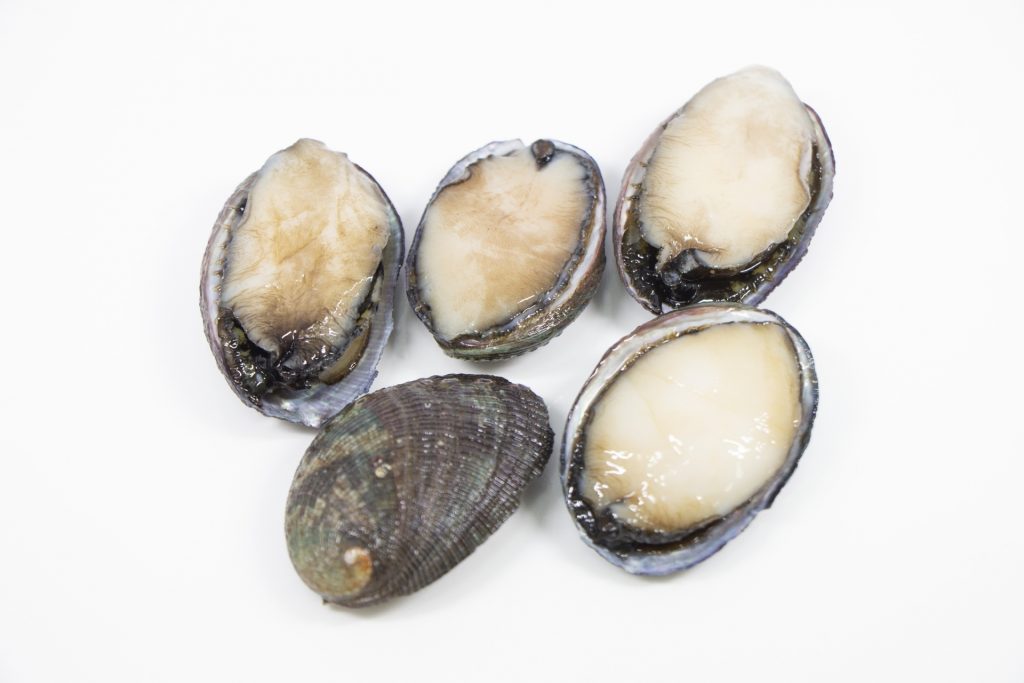
Nagareko is a shellfish commonly eaten in Kochi, where locals collect it on the beach as a seasonal delicacy.
The Secret Behind Kochi’s Deliciousness — The Knife

Another reason Kochi’s food tastes so special lies in its craftsmanship. The region is famous for Tosa Uchihamono, hand-forged knives made with precision and care. My father would sharpen his knife before preparing fish, and the clean cut brought out the freshness of sashimi like nothing else. This quiet craft defines the quality of Kochi’s cuisine — an art passed down through generations.
What makes Tosa Uchihamono exceptional?
Beyond the sharpness inherited from traditional Japanese sword-making techniques, their durability stands out — a legacy of tools originally developed for forestry work. A single knife, when properly maintained, can be used for many years, making it a truly appealing choice. Because they are hand-forged, craftsmen can freely shape them with great flexibility, and today they even produce outdoor knives alongside kitchen blades.
The Culture of Connection — How Food Brings People Together
Sharing from Home to Home
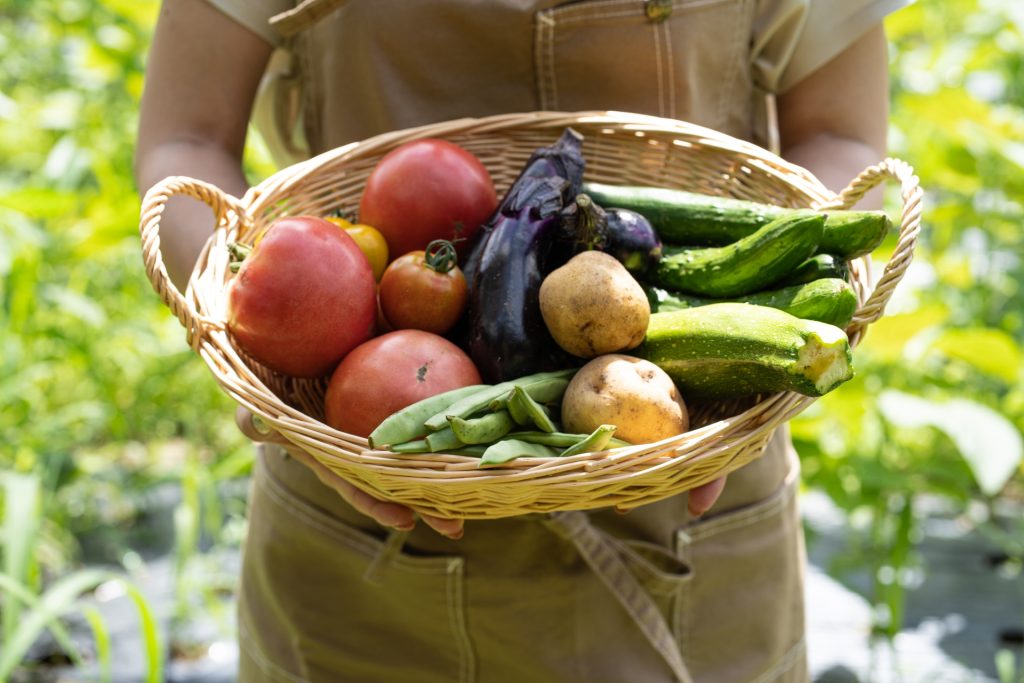
In my seaside town, sharing food was part of everyday life. Neighbors exchanged dishes — fresh fish, vegetables, or home-cooked meals — creating a cycle of kindness that made the community feel like one big family.
Tradition That Lives On
Even today, someone might hand me vegetables from their garden. I cook them and return a dish in thanks. It’s a small but meaningful tradition that continues to connect people, a piece of culture that has quietly disappeared in big cities.
A Taste of Warmth
Spend time in Kochi, and you may experience this warmth yourself. Someone will likely share food with you — and if it’s winter, it might be a sweet, sun-kissed mikan 🍊